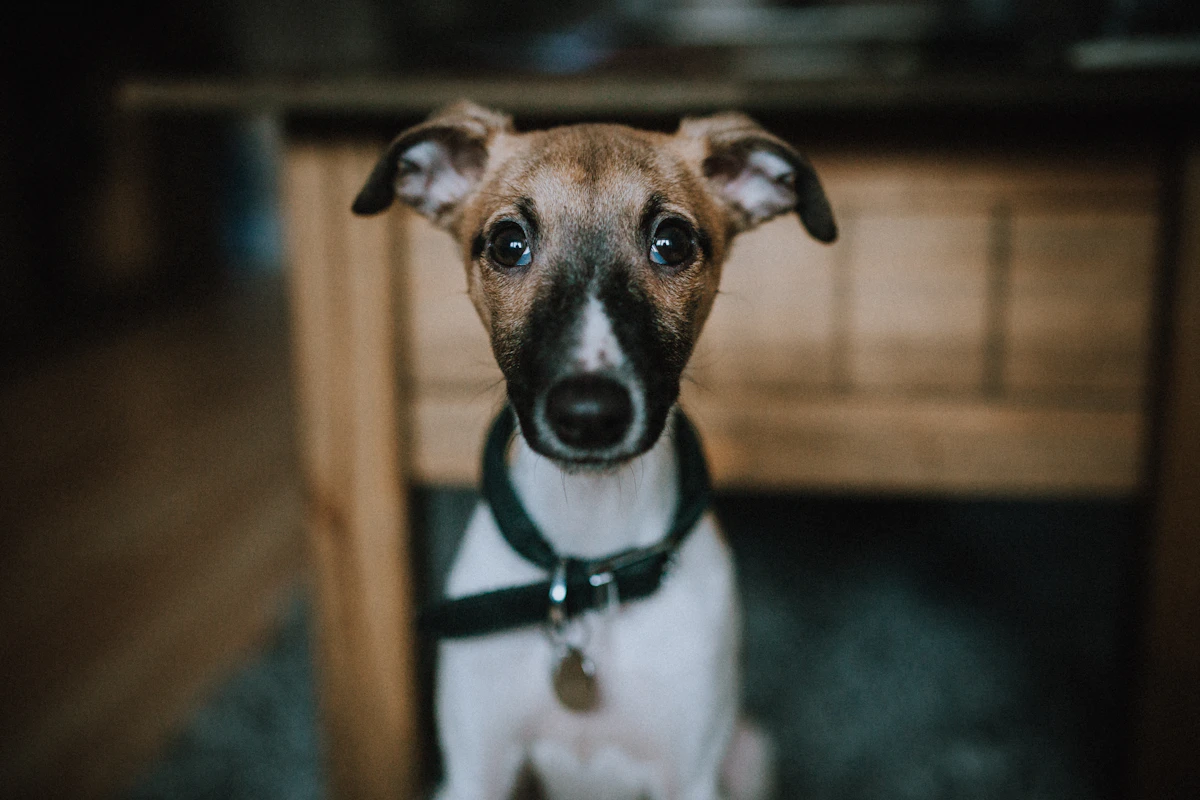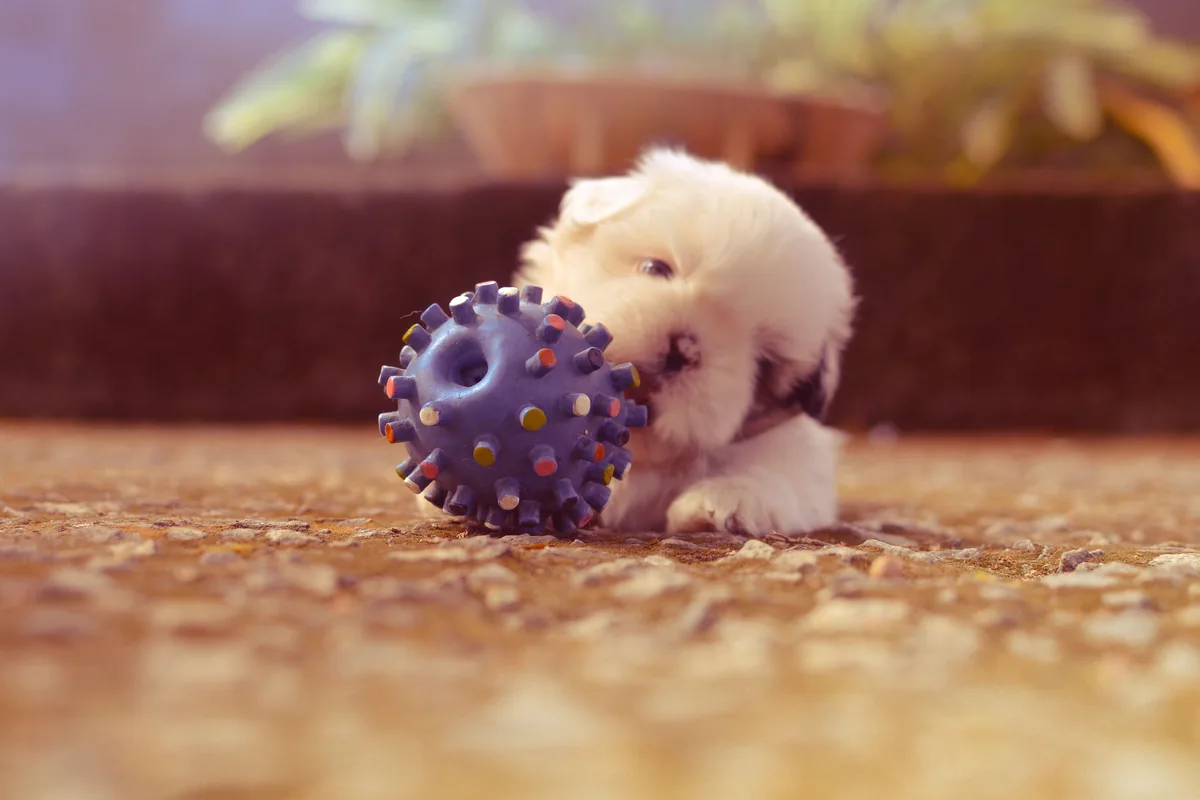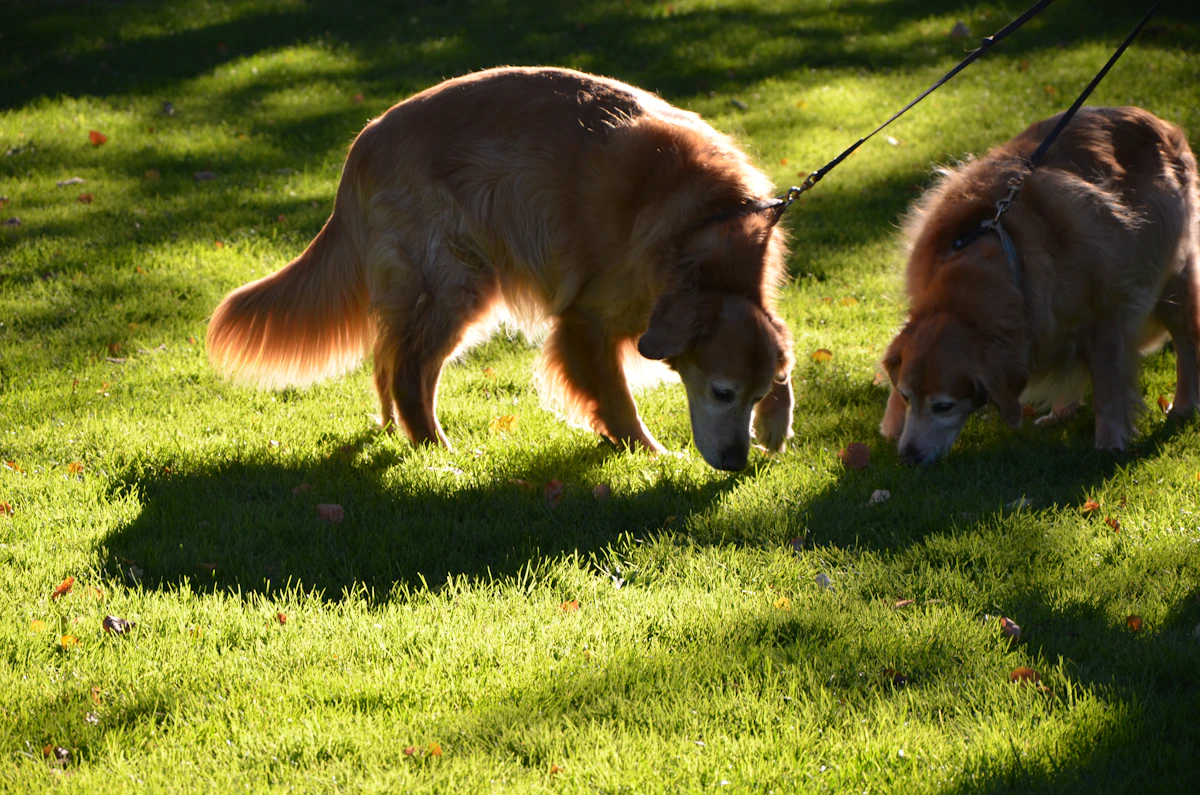
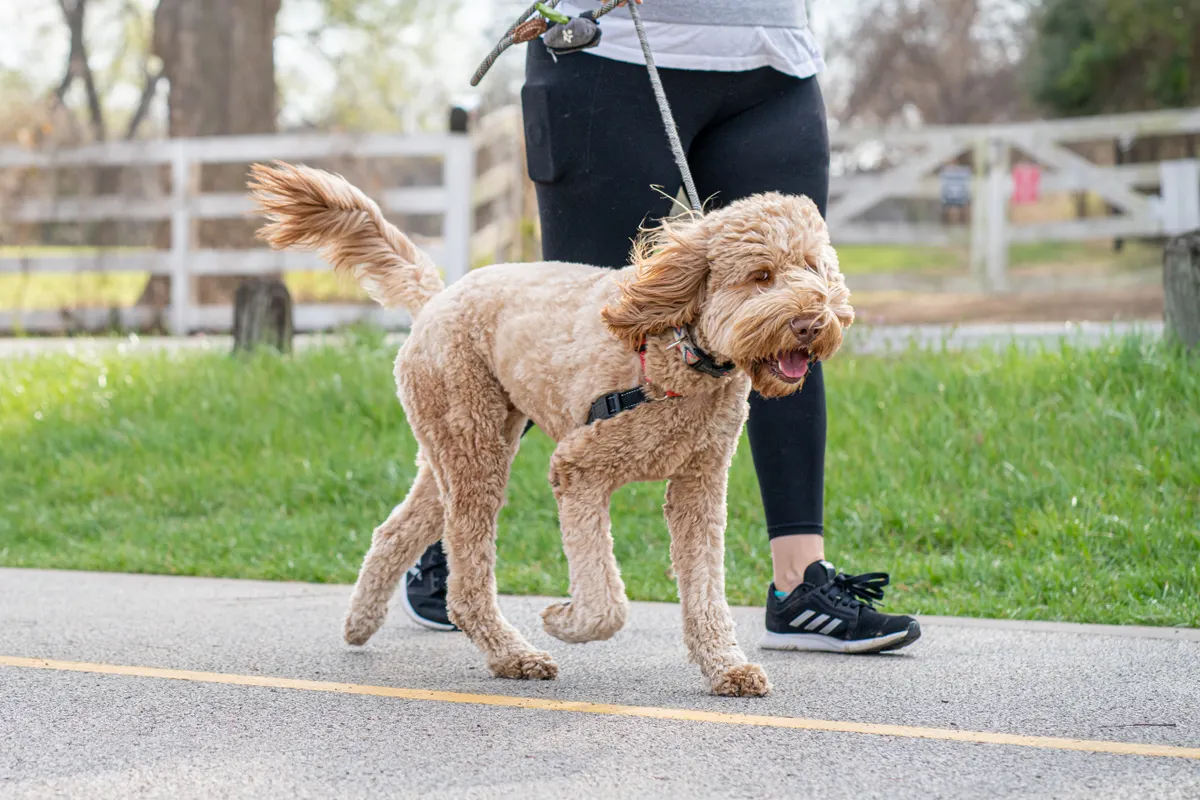
Comfort matters more than the number of people or dogs your puppy meets.
Choose a safe starting point
Discuss local disease risk and vaccination timing with your vet. Socialisation is not simply greeting every dog. Calm observation of everyday sights and sounds can be part of learning about the world, with distance and intensity adjusted to the individual puppy.
Record the response, not just the exposure
“Saw a bicycle” tells you little about how the experience went. A more useful note is “watched a bicycle from across the quiet path, took food and turned back toward me”. Avoid interpreting food refusal alone as a diagnosis, but notice it alongside body posture and attempts to move away.
- Pick one easy experience.
- Start far enough away for your puppy to remain comfortable.
- Let them retreat; never force a greeting.
- End while the experience is still manageable.
Leave room in the plan
A schedule full of cafés, visitors and busy streets can become a burden. Put quiet recovery time on the calendar too. When an outing is harder than expected, next time choose a quieter location or more distance instead of repeating the same challenge until the puppy gives up.
Build a useful question for your trainer
Bring a short description of the setting, distance and response. Ask how to make the next attempt easier. A professional who supports reward-based learning should be willing to adapt the plan to your puppy rather than require every dog to follow an identical list.
One thing to try today
Plan one gentle exposure and write down how your puppy responds.
Open the matching free tool ↗Sources & further reading
These resources inform the care principles. Household planning examples are our own. Source check: 3 October 2026.
This article has not had an individual veterinary review. For health concerns or behaviour that risks harm, seek qualified help. Our editorial policy.