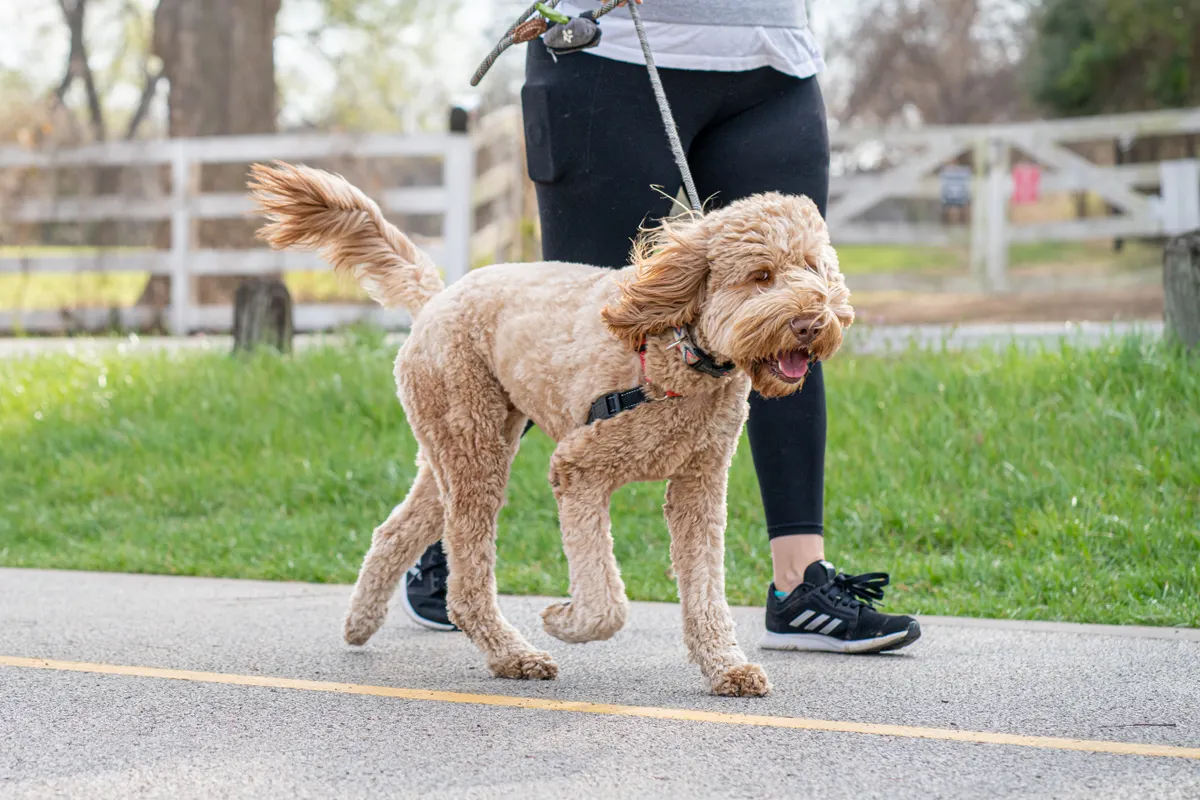
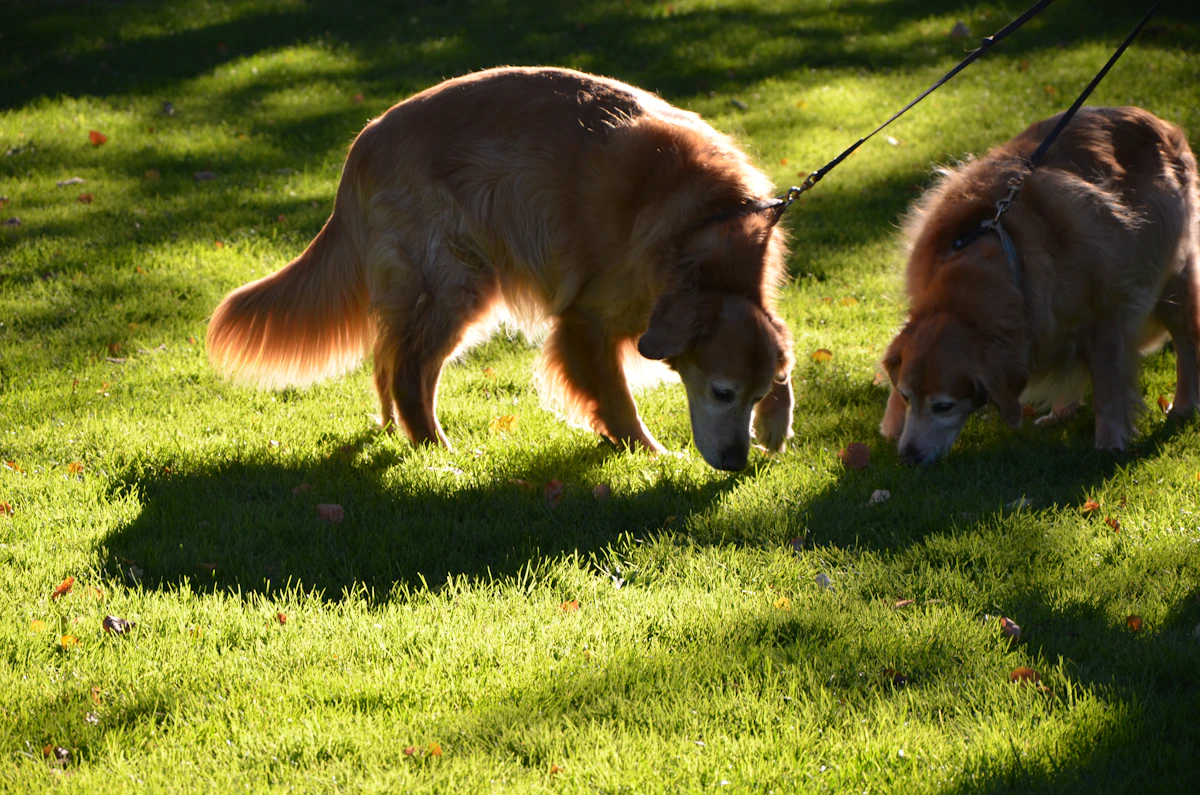
A predictable household and room to rest are useful starting points.
Prepare the practical basics
Arrange food information, a veterinary contact, safe transport, identification and a resting space before arrival. Ask the breeder, rescue or previous caregiver about the dog’s current routine. Keep those notes available rather than relying on memory during a busy first evening.
Give your week a small focus
A new home brings unfamiliar smells, sounds and people. Avoid treating the first week as a social calendar. Offer calm introductions and let the dog approach at their own pace. There is no universal settling deadline.
- Day one: show the resting area and toilet location.
- Next: learn the dog’s food, sleep and toilet pattern.
- Then: introduce one small household routine at a time.
- Throughout: keep children and other pets safely supervised or separated.
Create a handover habit
Use a shared note for the last meal, last toilet trip and anything unusual. Include the next caregiver’s name. This prevents duplicate meals and makes the evening feel less uncertain. If your dog is unsettled, simplify the day instead of trying to catch up with a training checklist.
A useful end-of-week review
Ask what feels easier, what still needs management and what deserves outside help. Photograph or write down concerning changes to discuss with your vet. Keep the goals specific: a clear toilet route, one reliable feeding record and a resting place the dog chooses are more meaningful than comparing progress with another dog online.
One thing to try today
Prepare your home checklist and assign a main caregiver for the first day.
Open the matching free tool ↗Sources & further reading
These resources inform the care principles. Household planning examples are our own. Source check: 3 October 2026.
This article has not had an individual veterinary review. For health concerns or behaviour that risks harm, seek qualified help. Our editorial policy.