Look at the whole situation before adding more training or excitement.
Pause the busy moment
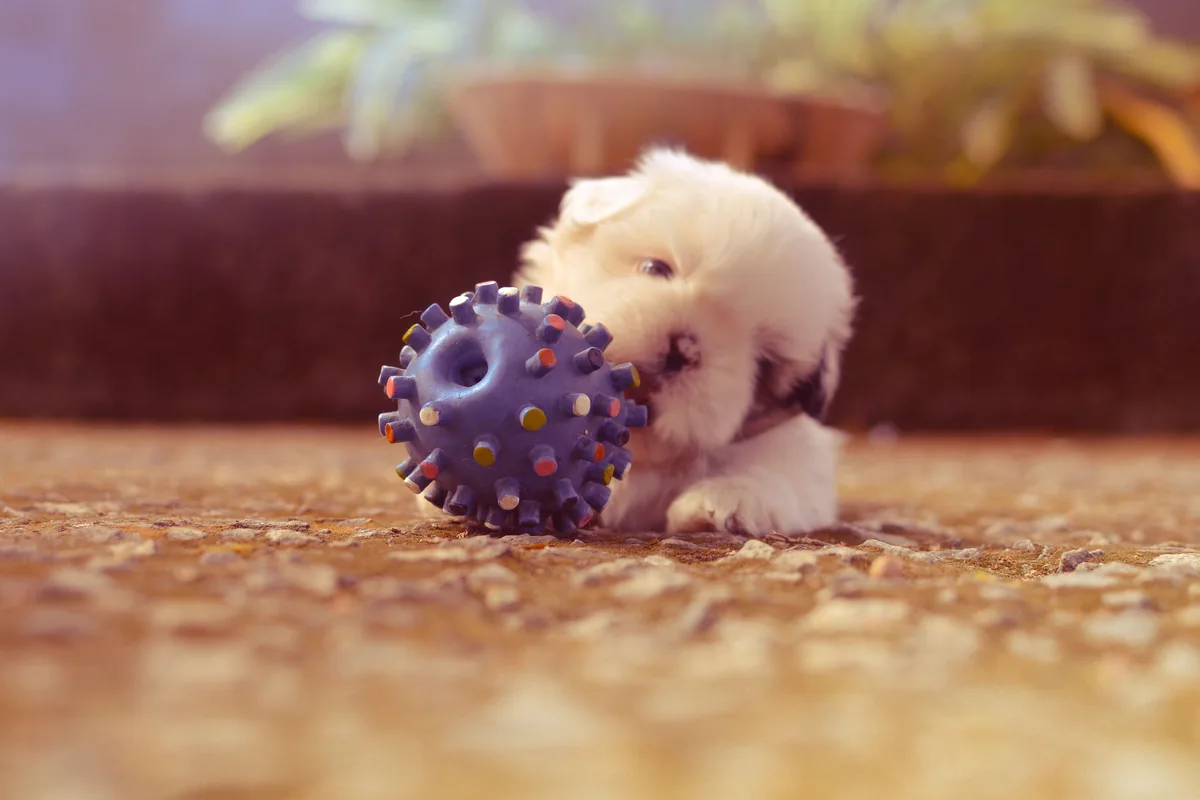
Puppies explore with their mouths, but persistent biting can have several causes. Consider toilet needs, discomfort, tiredness and excitement. Offer an appropriate toy and make space using a safe barrier when necessary. Avoid grabbing the muzzle, shouting or rough play.
Write a tiny evening timeline
Instead of recording every nibble, note what happened just before a difficult spell. Was there a visitor, a long play session, a missed rest opportunity or a change of room? These notes help you plan the environment rather than attach a label such as “naughty”.
- Keep suitable toys within reach before the evening starts.
- Arrange a quiet resting area near the household.
- Give children a separate space when the puppy is mouthy.
- Finish a game before everyone is frustrated.
Make tomorrow easier
Choose one change, such as shortening the exciting game or moving it earlier. Share the plan with other caregivers so the puppy gets a consistent response. Do not expect a single technique to stop every episode. Record whether the puppy recovered more easily, rather than demanding an entirely bite-free evening.
When ordinary puppy advice is not enough
Sudden, intense or escalating biting, guarding or signs of pain deserve professional assessment. Contact your vet and a qualified reward-based behaviour professional. If a bite breaks human skin, seek medical advice.
One thing to try today
Write down one trigger, one safer alternative and one change for tomorrow.
Open the matching free tool ↗Sources & further reading
These resources inform the care principles. Household planning examples are our own. Source check: 3 October 2026.
This article has not had an individual veterinary review. For health concerns or behaviour that risks harm, seek qualified help. Our editorial policy.