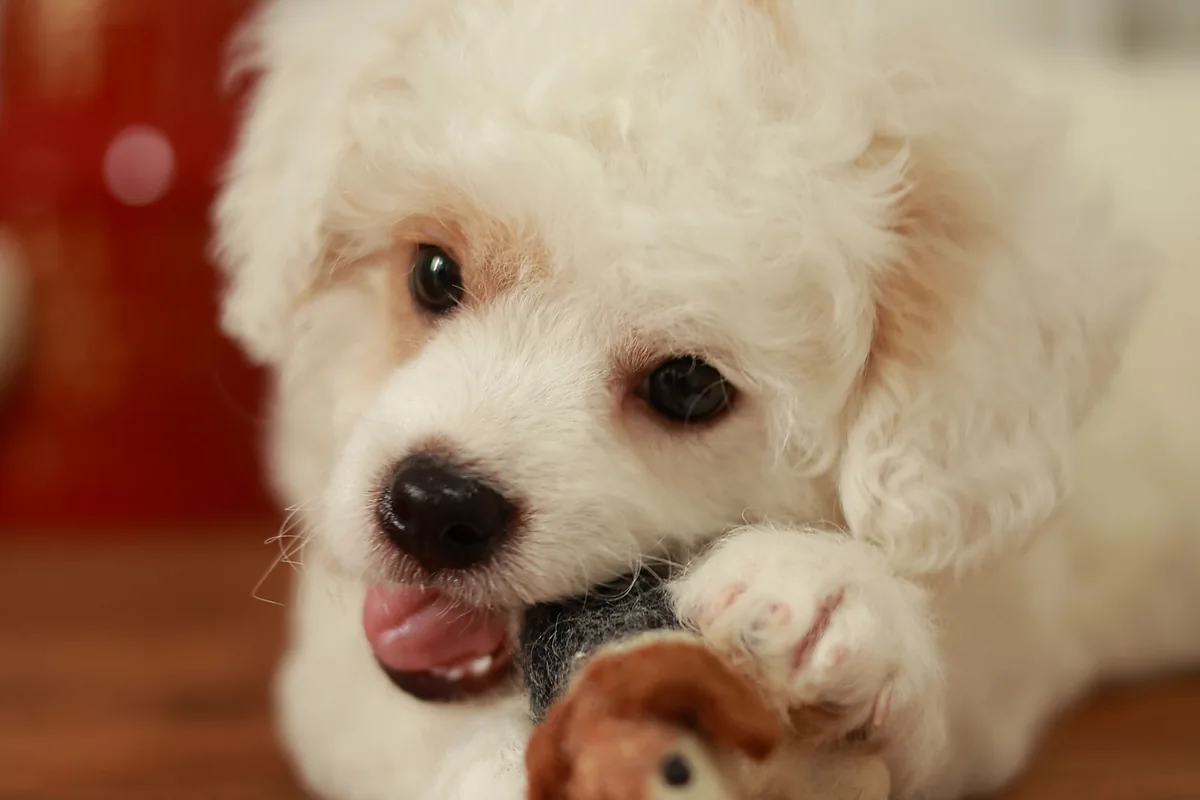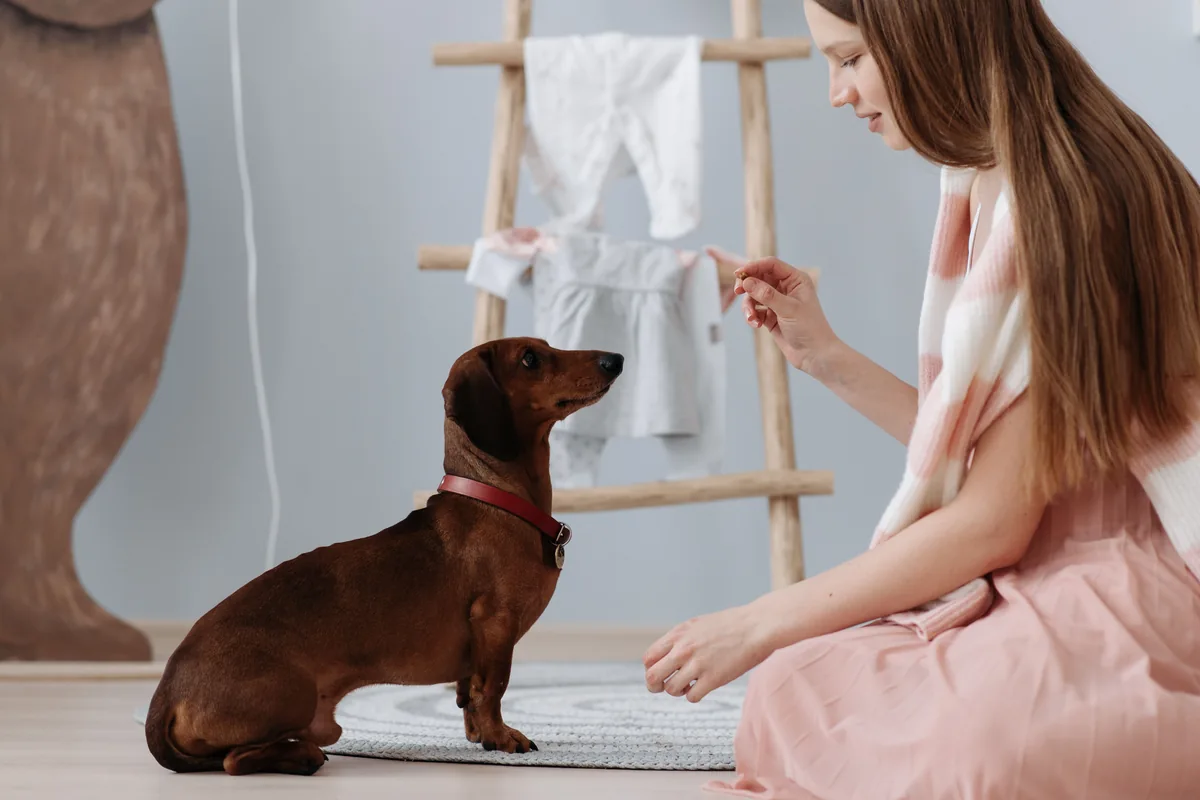
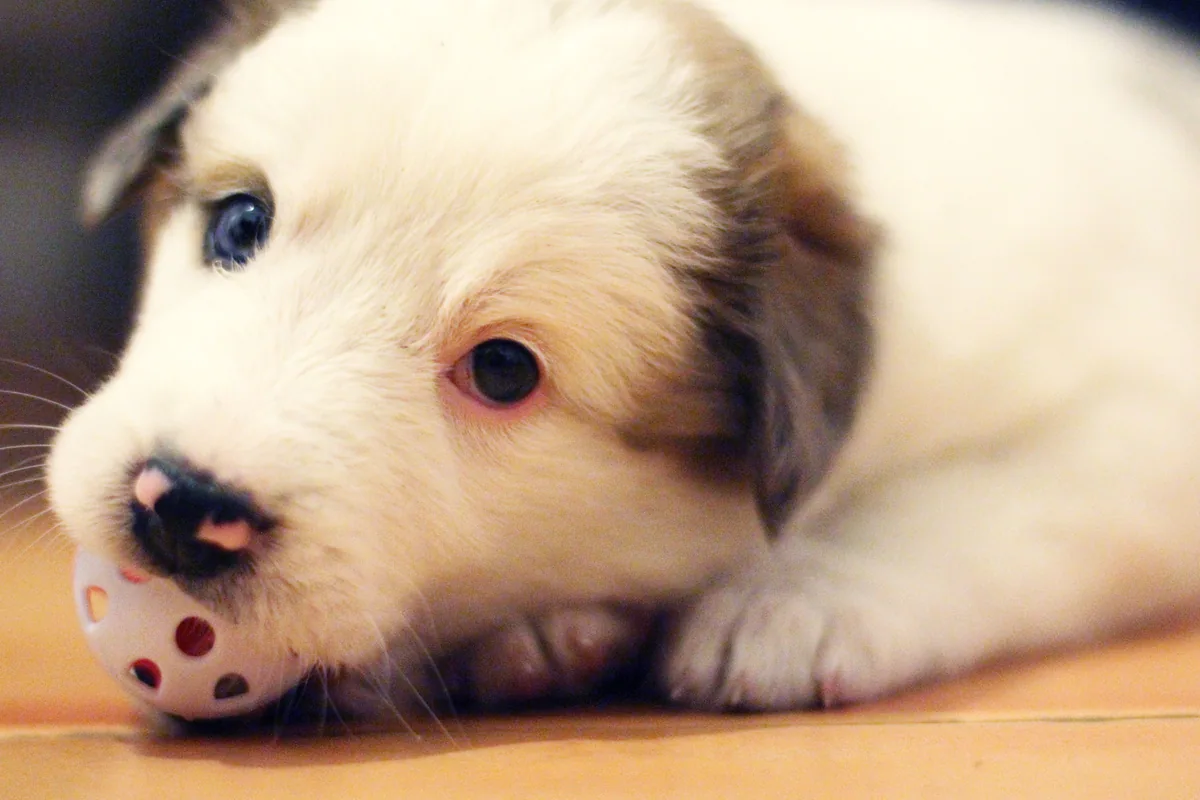
The activity is useful when your dog enjoys it—not when it looks impressive.
Begin with something easy
Enrichment can involve sniffing, searching, exploring and learning. Try a few pieces from the dog’s usual food allowance spread on a clean, suitable surface, or let them find a familiar toy in plain sight. Supervise and stop if they become frustrated or start swallowing materials.
Make a small menu
Keep three options on a note: one quiet indoor activity, one outdoor option and one non-food game. You can choose from the menu without preparing something elaborate. A dog who walks away is giving useful feedback; participation should remain optional.
- Use the easiest version first.
- Check materials for loose or chewable pieces.
- Keep other dogs separate if food or toys could cause conflict.
- Put the activity away when you finish.
Change the difficulty gently
For a toy search, move the familiar toy slightly farther away before hiding it. For a food search, avoid tight knots or puzzles the dog cannot solve. The aim is an enjoyable experience, not maximum time occupied. Match activity to mobility and any veterinary restrictions.
Notice what your dog chooses
Afterwards, write a few words: easy, interesting, too difficult, ignored. Repeat favourites. There is no need for a new activity every day or a fixed exchange rate between sniffing and exercise. Include undisturbed rest in the routine alongside play.
One thing to try today
Choose one simple supervised activity from the enrichment finder.
Open the matching free tool ↗Sources & further reading
These resources inform the care principles. Household planning examples are our own. Source check: 3 October 2026.
This article has not had an individual veterinary review. For health concerns or behaviour that risks harm, seek qualified help. Our editorial policy.