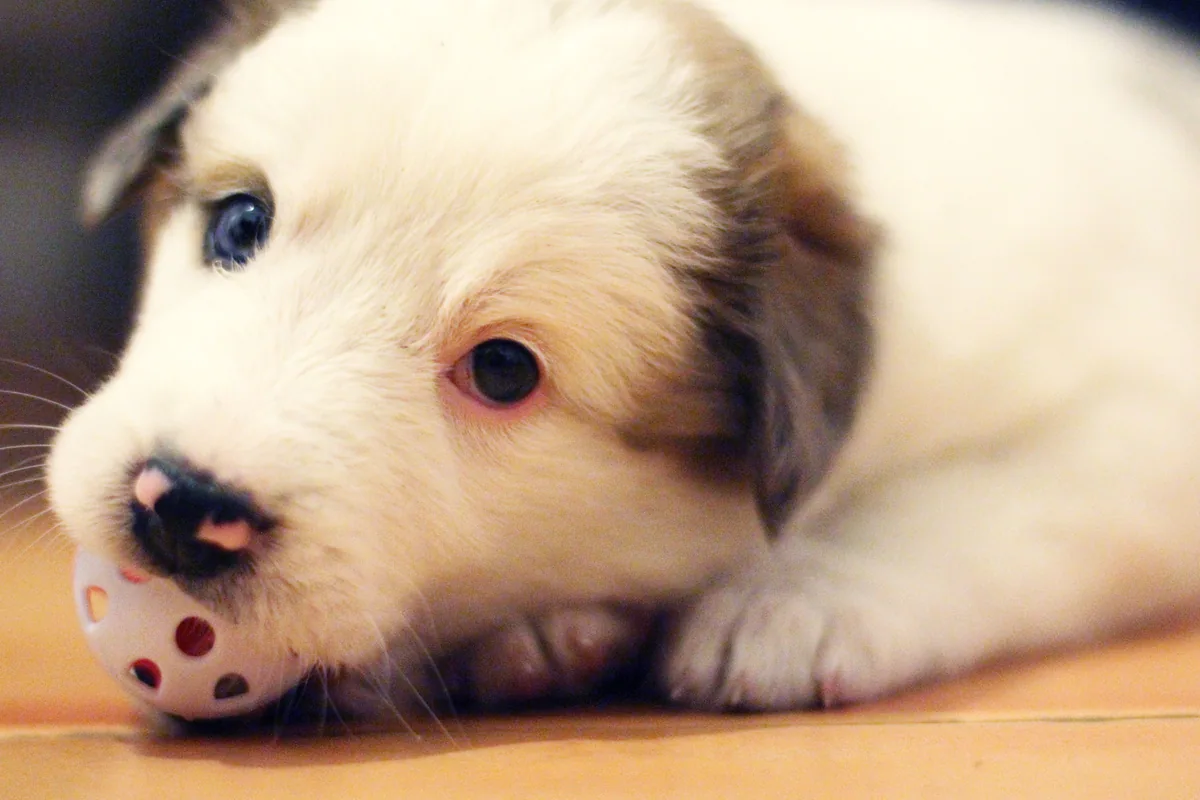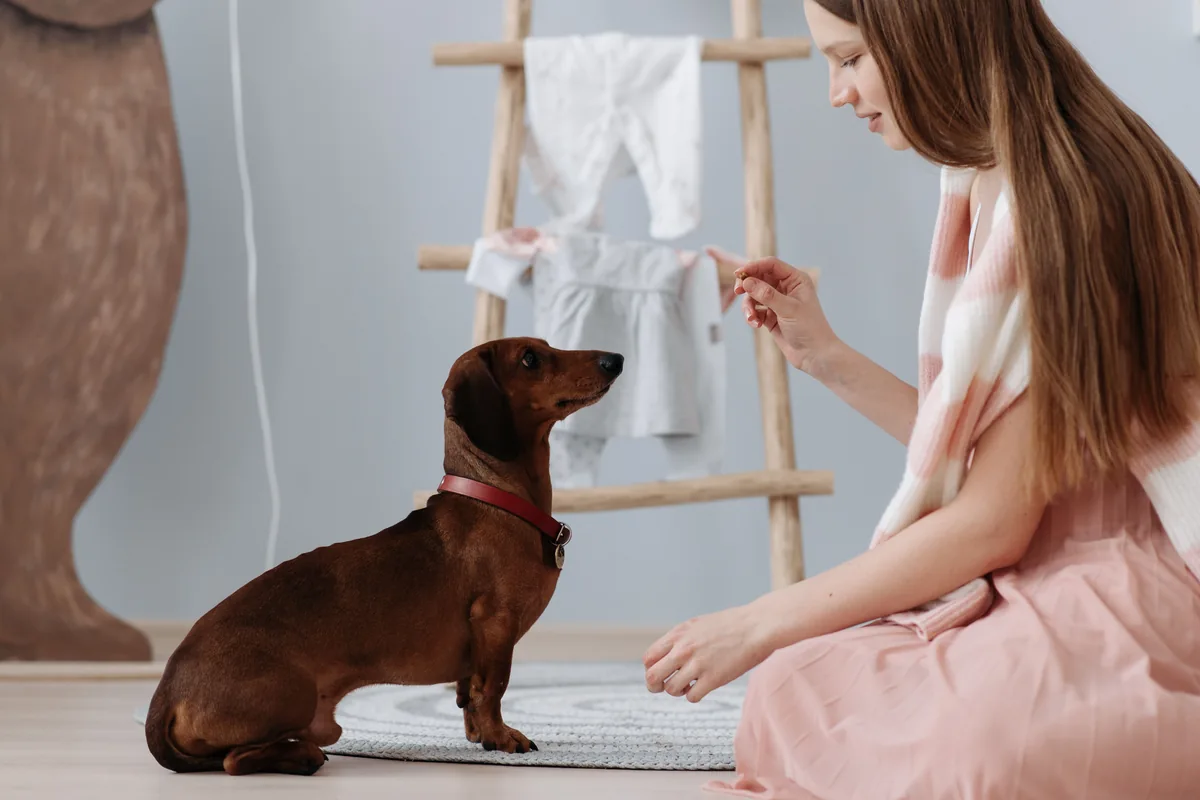
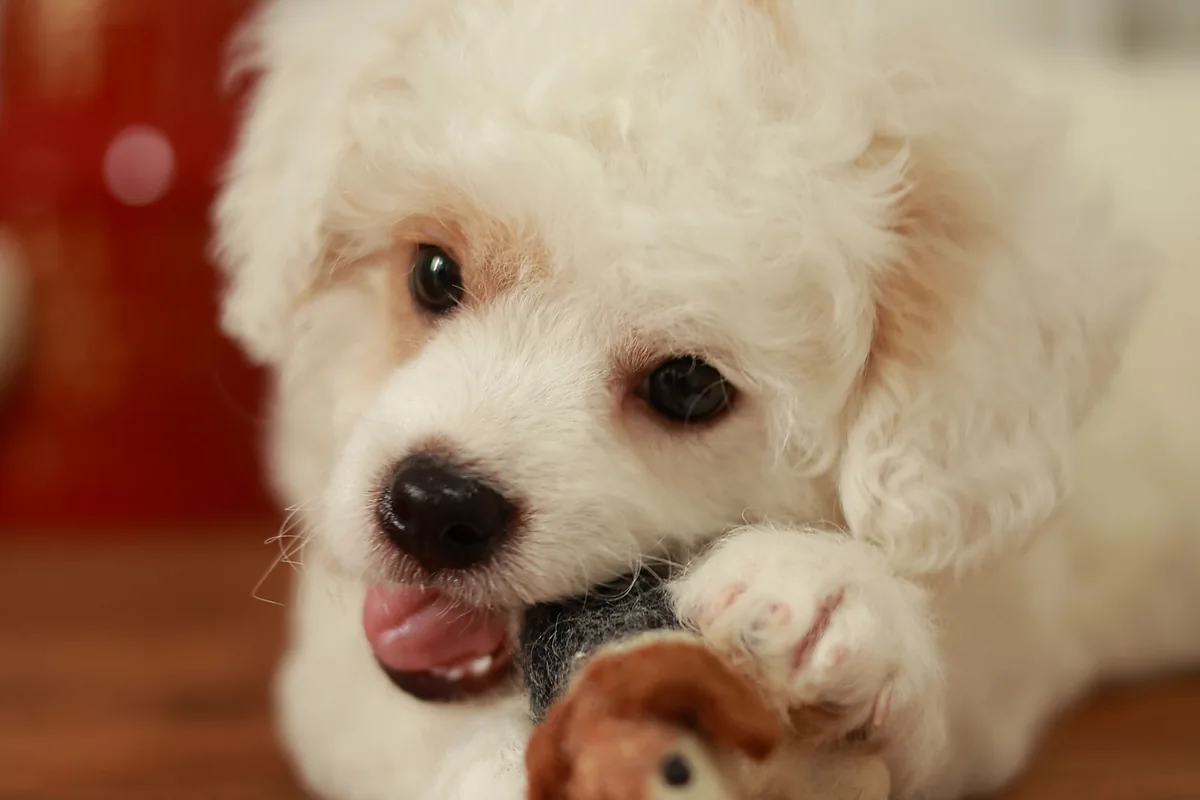
Prevent access to hazards while providing appropriate opportunities to chew.
Do a floor-level check
Look for cables, small objects, medication, cleaning products and anything that could be swallowed. Put hazards away before relying on a cue your dog is still learning. Chewing is a normal behaviour, but suitability of chew items depends on the individual dog; ask your vet when unsure.
Create a practical rotation
You do not need a large collection. Choose a few appropriate items, inspect them regularly and remove damaged pieces. Watch the dog using each new item before deciding how it fits the household. An item marketed as tough is not automatically safe for every dog.
- Keep a storage place for approved items.
- Check size, condition and how your dog uses each one.
- Separate dogs when valued items may cause tension.
- Note items that lead to swallowing pieces or frustration.
Look beyond the damaged shoe
Record when unwanted chewing occurs and what was happening around it. A dog chewing while alone may need a different plan from a puppy exploring a new room. If the pattern seems connected to distress, seek help rather than simply buying a stronger toy.
Respond to risks promptly
If you suspect your dog has swallowed something dangerous, contact a vet promptly. Do not induce vomiting unless a veterinary professional tells you to. If the dog guards an item, avoid reaching into their mouth or confronting them; get professional guidance and use management to prevent a repeat.
One thing to try today
Check one room for hazards and note which chew items need replacing.
Open the matching free tool ↗Sources & further reading
These resources inform the care principles. Household planning examples are our own. Source check: 3 October 2026.
This article has not had an individual veterinary review. For health concerns or behaviour that risks harm, seek qualified help. Our editorial policy.